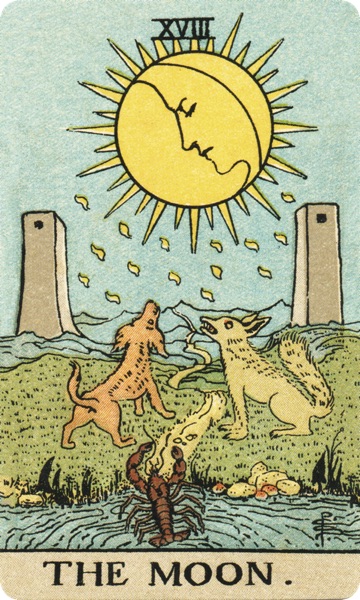

The Moon Tarot Card Meaning (Major Arcana XVIII)
The Moon means perception under low light. Upright, it points to intuition, subconscious material, illusion, and fear. Reversed, it points to releasing fears, hidden truths, and inner confusion. The card should not be turned into a mental-health diagnosis; it is a symbolic account of uncertainty and unclear perception.
Quick Facts
| Field | Value |
|---|---|
| Number / Rank | XVIII / 18 |
| Arcana / Suit | Major Arcana |
| PKT text year | 1910 |
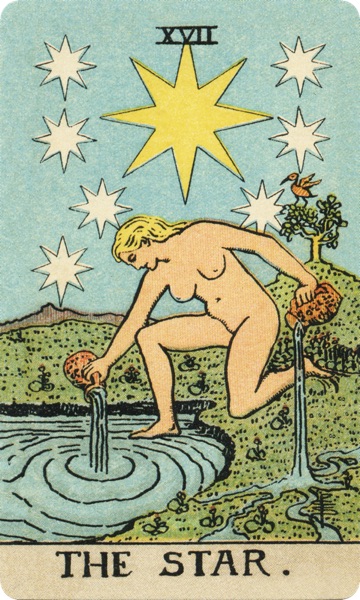
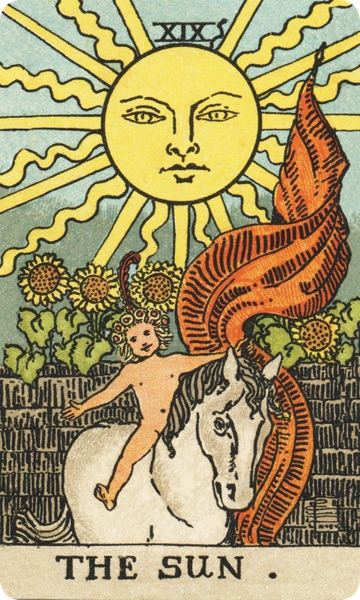
| Source sequence | The Star -> The Moon -> The Sun |
| Keywords | intuition, subconscious, illusion, fear, uncertainty |
| Upright short meaning | Intuition, subconscious, illusion, fear |
| Reversed short meaning | Releasing fears, hidden truths, inner confusion |
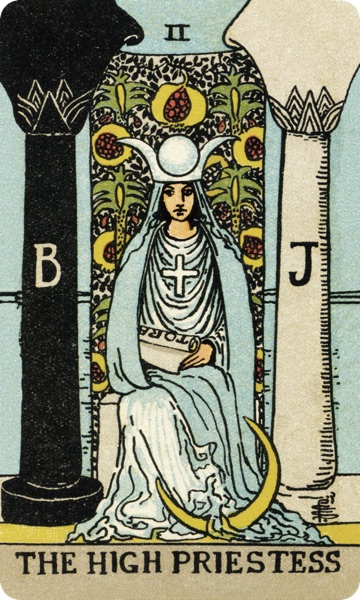
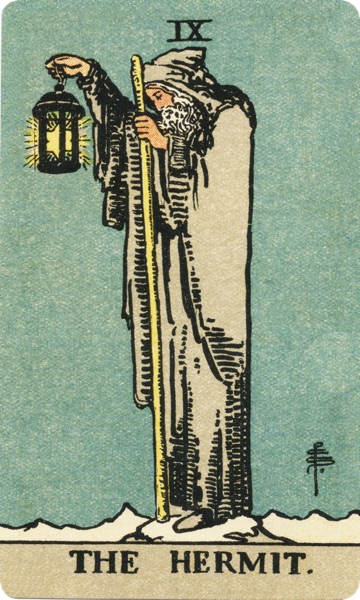
| Related cards | The Star, The Sun, The High Priestess, The Hermit |
Overview
The Moon is the Major Arcana card of uncertainty, instinct, hidden information, and the uneasy border between intuition and fear. In the project sequence it is XVIII, after The Star and before The Sun. Upright, The Moon means Intuition, subconscious, illusion, fear. Reversed, it means Releasing fears, hidden truths, inner confusion.
Waite's 1910 Pictorial Key to the Tarot gives this upright anchor:
"Hidden enemies, danger, calumny, darkness, terror, deception, occult forces, error."
That quote is useful, but it is not the whole modern card. Biddy Tarot lists the upright keywords as "Illusion, fear, anxiety, subconscious, intuition". Labyrinthos discusses The Moon through illusion, intuition, uncertainty, complexity, fear, misinterpretation, and reversed confusion or release. Chatarot uses those modern sources as interpretation support while keeping Waite's older list visible.
The card is also shaped by its sequence position. It is one of 22 Major Arcana cards, and its number, XVIII, places it between The Star and The Sun. That placement helps keep the interpretation specific instead of turning it into a generic advice page.
For Chatarot, The Moon requires careful language around fear and anxiety. Those words can appear because the sources and internal meanings support them, but the article should not diagnose a person or imply that a card proves a hidden threat. The Moon is a symbolic card of low visibility, not a forensic tool.
The card is also different from The Star and The Sun on either side of it. The Star restores hope after rupture. The Moon tests perception in the dark. The Sun clarifies. That sequence keeps the Moon from becoming only negative; it is difficult because the light is partial, but partial light can still reveal where caution is needed.
A practical Moon reading asks for verification. What do you know, what do you fear, what has repeated, and what is still only a story? Those questions honor intuition without letting uncertainty become proof.
What does The Moon mean upright?
Upright, The Moon means Intuition, subconscious, illusion, fear. It appears when the path exists but cannot be seen clearly enough for certainty.
Waite's line is darker than many modern summaries: hidden enemies, danger, calumny, darkness, terror, deception, occult forces, and error. Biddy lists illusion, fear, anxiety, subconscious, and intuition. The shared theme is uncertainty that affects perception.
In a reading, The Moon asks for careful discernment. Not every fear is intuition, and not every intuition is fear. The work is to notice what is actually present before building a story around it.
What does The Moon mean reversed?
Reversed, The Moon means Releasing fears, hidden truths, inner confusion. Something unclear may be starting to surface, but the process can still feel disorienting.
Waite's reversed line speaks of instability, inconstancy, silence, and lesser degrees of deception and error. That supports a reading where confusion remains, but its grip may be changing.
The practical response is to slow down decisions, seek verifiable information, and avoid treating a charged feeling as complete evidence.
The Moon in love, career, health, and money
Love
In love, The Moon can point to mixed signals, hidden feelings, projection, or fear shaping how a relationship is being read. It does not prove betrayal or guarantee deception. Reversed, it may show a truth emerging, fear loosening, or the need to clarify what has been assumed.
Am I reading mixed signals clearly, or are my fears filling the gaps?
 Star-Sleeping Girl · Sora·
 Crossroads of Fate
Career
In career readings, The Moon can describe unclear information, uncertain strategy, vague expectations, or a workplace atmosphere where people are guessing more than knowing. Reversed, it may show hidden facts coming out or confusion beginning to resolve, though decisions still need evidence.
What hidden factors are keeping my workplace expectations and strategy so unclear?
 Mystic Poet · Selene Noir·
 Celtic Cross
Health
In health readings, The Moon can symbolically point to uncertainty, worry, sleep rhythms, or the need to track patterns before drawing conclusions. In a tarot reading context, this is a symbolic reminder rather than medical advice. Reversed, it may suggest fear becoming easier to name, but it should not replace qualified care.
How are my sleep patterns and worries changing over time?
Star-Sleeping Girl · Sora· Flow of Time
Money
In money readings, The Moon warns against unclear terms, emotional spending, hidden costs, or decisions made under pressure. Reversed, it can show information beginning to surface, but the card still asks for written details and careful review.
Which financial detail should I verify before spending under pressure?
Mystic Poet · Selene Noir· Mirror of Soul
Rider-Waite-Smith imagery and symbols
The Rider-Waite-Smith image shows a moon above a path, two towers, two animals, and a creature emerging from water. These visual facts support the card's themes of instinct, threshold, and uncertain direction.
The Moon follows The Star and precedes The Sun. That sequence matters: after hope returns, the path still passes through ambiguity before clarity arrives.
This article uses fear and anxiety as symbolic reading language, not as clinical labels. It avoids diagnosing the reader or predicting hidden enemies as literal fact.
Historical position in tarot
Historically, The Moon is Major Arcana XVIII. Wikipedia can support the card identity and broad image overview, while Waite supplies the 1910 divinatory list. The article keeps history limited and source-aware because broad claims about all Moon imagery need stronger specialist sources.
Interpretation disputes
The Moon needs a dispute section because readers often flatten it into either intuition or fear. Waite gives a severe deception-and-danger list; modern sources usually add subconscious material, illusion, anxiety, and intuition. Chatarot keeps both visible and uses cautious language: The Moon can suggest unclear perception, but it does not prove a specific hidden threat.
The Moon also asks for patience with incomplete evidence. In many readings the person wants the card to reveal the hidden answer immediately. A grounded interpretation does something more useful: it names the fog and asks what kind of light would actually help. That might be time, documentation, direct conversation, professional input, or simply refusing to act while perception is distorted.
FAQ
Does The Moon mean someone is lying?
Not by itself. It can point to uncertainty, illusion, hidden information, or fear, but it does not prove deception without context.
What does The Moon reversed mean?
It can mean releasing fears, hidden truths emerging, or inner confusion becoming clearer.
How is The Moon different from The High Priestess?
The High Priestess is guarded inner knowing. The Moon is perception under uncertainty, where intuition and fear can be hard to separate.
Sources and further reading
- Arthur Edward Waite, The Pictorial Key to the Tarot (1910), Wikisource proofread page, https://en.wikisource.org/wiki/Page:The_Illustrated_Key_to_the_Tarot.djvu/151
- Wikipedia: The Moon tarot card, https://en.wikipedia.org/wiki/The_Moon_(tarot_card)
- Wikimedia Commons: RWS Tarot 18 Moon, https://commons.wikimedia.org/wiki/File:RWS_Tarot_18_Moon.jpg
- Biddy Tarot: The Moon Tarot Card Meanings, https://biddytarot.com/tarot-card-meanings/major-arcana/moon/
- Labyrinthos: The Moon Meaning, https://labyrinthos.co/blogs/tarot-card-meanings-list/the-moon-meaning-major-arcana-tarot-card-meanings