
The Hermit Tarot Card Meaning (Major Arcana IX)
The Hermit means deliberate withdrawal for insight. Upright, it points to introspection, seeking, guidance, and wisdom. Reversed, it can show loneliness, isolation, or losing direction. The card is not simply being alone; it is the difference between solitude that clarifies and isolation that narrows the world.
Quick Facts
| Field | Value |
|---|---|
| Number / Rank | IX / 9 |
| Arcana / Suit | Major Arcana |
| PKT text year | 1910 |
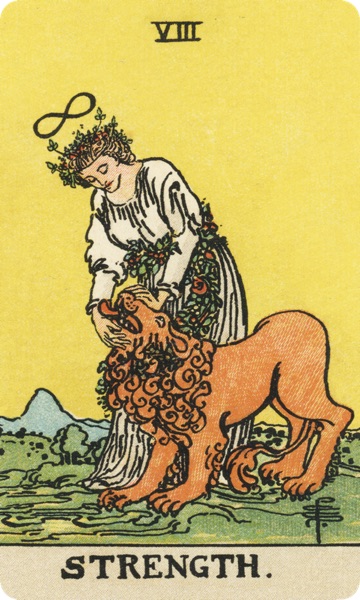
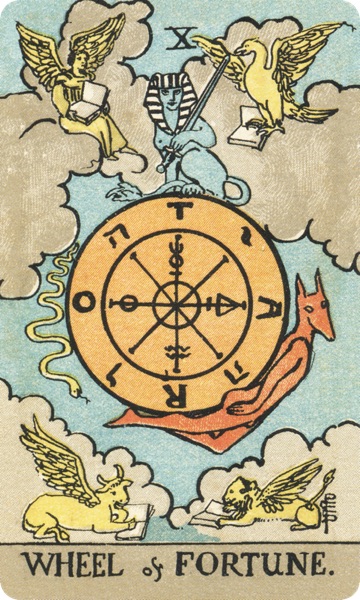
| Source sequence | Strength -> The Hermit -> Wheel of Fortune |
| Keywords | introspection, seeking, solitude, guidance, wisdom |
| Upright short meaning | Introspection, seeking, guidance, wisdom |
| Reversed short meaning | Loneliness, isolation, losing direction |
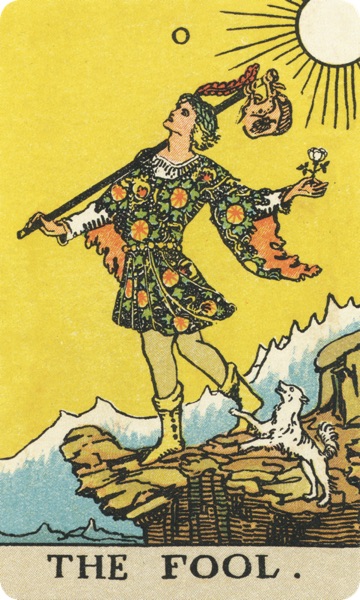
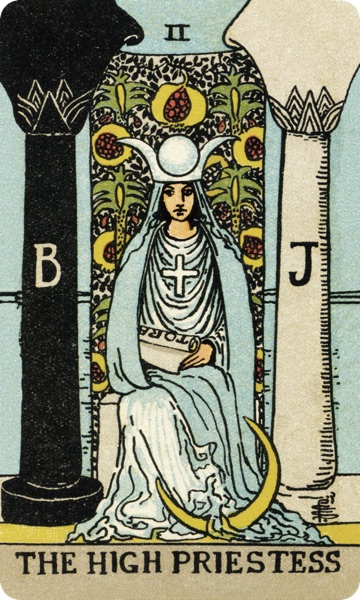
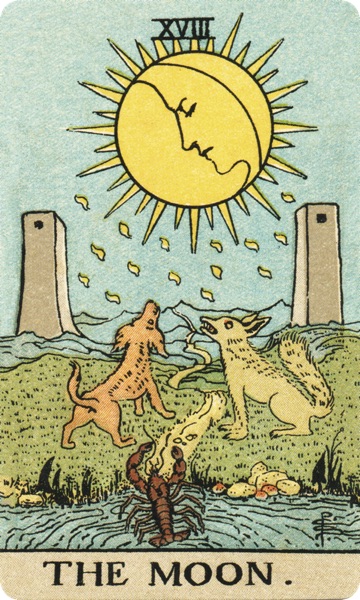
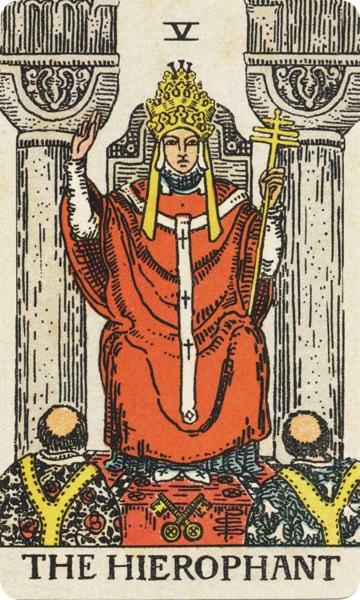
| Related cards | The Fool, The High Priestess, The Moon, The Hierophant |
Overview
The Hermit is the Major Arcana card of withdrawal for perspective, disciplined seeking, and guidance that comes from tested experience. In the project sequence it is IX, after Strength and before Wheel of Fortune. Upright, The Hermit means Introspection, seeking, guidance, wisdom. Reversed, it means Loneliness, isolation, losing direction.
Waite's 1910 Pictorial Key to the Tarot gives this upright anchor:
"Prudence, circumspection"
That quote is useful, but it is not the whole modern card. Biddy Tarot lists the upright keywords as "Soul-searching, introspection, being alone, inner guidance". Labyrinthos discusses The Hermit through solitude, inner guidance, contemplation, and the search for deeper truth. Chatarot uses those modern sources as interpretation support while keeping Waite's older list visible.
The card is also shaped by its sequence position. It is one of 22 Major Arcana cards, and its number, IX, places it between Strength and Wheel of Fortune. That placement helps keep the interpretation specific instead of turning it into a generic advice page.
For Chatarot, The Hermit needs a firm boundary between useful solitude and harmful isolation. The upright card is not anti-social. It values the kind of withdrawal that lets a person hear their own thought, study a difficult problem, or consult a quieter form of wisdom. The reversed card is where distance stops clarifying and starts narrowing the world.
This distinction matters in practical readings. A person may need time alone after noise, conflict, or overexposure. That is different from disappearing because every conversation feels threatening. The article should keep the language grounded: The Hermit can suggest reflection, mentorship, research, or spiritual practice, but it should not praise disconnection for its own sake.
The lantern is a good interpretive anchor. It implies that the retreat carries light back into life. If the light is not being used, shared, or tested, the reading may be drifting toward the reversed side of the card.
What does The Hermit mean upright?
Upright, The Hermit means Introspection, seeking, guidance, wisdom. It appears when stepping back is not avoidance but the condition for seeing clearly.
Waite begins with prudence and circumspection, which gives the card a careful, watchful quality. Modern sources often soften that into soul-searching, but the older terms remind us that The Hermit is disciplined, not dreamy.
In a reading, The Hermit can show study, retreat, mentorship, or a period when outside noise must be reduced. The goal is not permanent separation. It is a cleaner relationship to truth.
What does The Hermit mean reversed?
Reversed, The Hermit means Loneliness, isolation, losing direction. Solitude has stopped producing insight, or the person has withdrawn so far that perspective is shrinking.
Waite gives reversed terms around concealment, disguise, fear, and unreasoned caution. That helps distinguish the reversal from healthy privacy. The issue is not being alone; the issue is being hidden from life, feedback, or responsibility.
The practical reading asks whether withdrawal is still serving the search. If not, the next step may be a trusted conversation, a teacher, or a small return to ordinary contact.
The Hermit in love, career, health, and money
Love
In love, The Hermit can point to a need for space, reflection, or honest self-knowledge before a relationship question can move. It can be constructive when someone is sorting out what they want. Reversed, it can show emotional distance, loneliness inside a relationship, or retreat that has become avoidance.
Is the space in my relationship bringing clarity, or becoming avoidance?
 Star-Sleeping Girl · Sora·
 Crossroads of Fate
Career
In career readings, The Hermit favors research, mastery, private work, mentorship, and long-form thinking. It can point to a specialist role or a period of study before the next public move. Reversed, it may show professional isolation, reluctance to ask for help, or a project losing direction because no one is testing the thinking.
How will private study shape my next public career move?
 Mystic Poet · Selene Noir·
 Flow of Time
Health
In health readings, The Hermit can symbolically point to rest, reflection, and noticing what ordinary noise has been covering. In a tarot reading context, this is a symbolic reminder rather than medical advice. Reversed, it may suggest that isolation is making care harder and that real support matters.
What habit would help me balance quiet rest with real support?
Star-Sleeping Girl · Sora· Mirror of Soul
Money
In money readings, The Hermit favors careful review, conservative planning, and learning before acting. It can suggest looking closely at spending patterns or seeking qualified guidance. Reversed, it may warn against making decisions alone when expertise is needed.
Where do my spending habits and resistance to advice undermine careful planning?
Mystic Poet · Selene Noir· Celtic Cross
Rider-Waite-Smith imagery and symbols
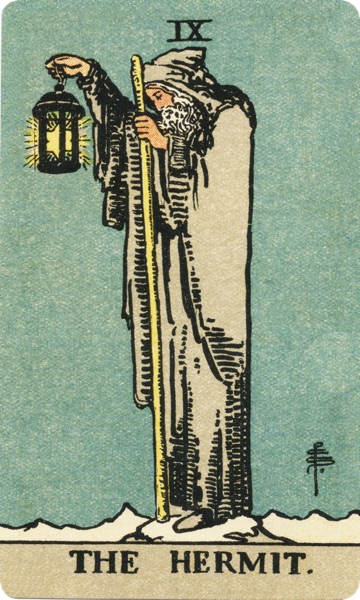
The Rider-Waite-Smith image shows an old figure with a lantern and staff. The mountain setting and solitary posture support a reading of distance, search, and guidance, while specific symbolic meanings should remain source-aware.
The lantern is the key visual difference from simple withdrawal. It implies that the retreat has a purpose: to carry light, not merely to disappear.
This article treats the image as direct visual evidence and avoids unsupported claims about who created each symbol.
Historical position in tarot
Historically, The Hermit is Major Arcana IX. Wikipedia provides a secondary overview of the card identity, while Waite gives the 1910 divinatory list. The article keeps historical claims limited to the card rank, title, and source frame.
The Hermit also has a mentorship dimension. Sometimes the figure is the seeker; sometimes the figure is the guide. In practical readings this can mean looking for a teacher, elder, therapist, supervisor, or specialist, but the article should not imply that any one form of authority is required. The point is that wisdom has been tested over time. The reversed card asks whether the person is refusing guidance because they need solitude, or because they are afraid of being challenged.
In short, The Hermit is most useful when it turns distance into insight. If distance only protects fear, the card has moved toward its reversed expression.
FAQ
Is The Hermit a lonely card?
It can be, especially reversed. Upright, it is more often solitude with a purpose: reflection, study, guidance, or spiritual and practical search.
What does The Hermit mean in love?
It can mean taking space to understand your needs, slowing a relationship question down, or noticing emotional distance.
How is The Hermit different from The High Priestess?
The High Priestess guards hidden knowledge. The Hermit actively seeks wisdom through distance, practice, and reflection.
Sources and further reading
- Arthur Edward Waite, The Pictorial Key to the Tarot (1910), Wikisource proofread page, https://en.wikisource.org/wiki/Page:The_Illustrated_Key_to_the_Tarot.djvu/150
- Wikipedia: The Hermit tarot card, https://en.wikipedia.org/wiki/The_Hermit_(tarot_card)
- Wikimedia Commons: RWS Tarot 09 Hermit, https://commons.wikimedia.org/wiki/File:RWS_Tarot_09_Hermit.jpg
- Biddy Tarot: The Hermit Tarot Card Meanings, https://biddytarot.com/tarot-card-meanings/major-arcana/hermit/
- Labyrinthos: The Hermit Meaning, https://labyrinthos.co/blogs/tarot-card-meanings-list/the-hermit-meaning-major-arcana-tarot-card-meanings