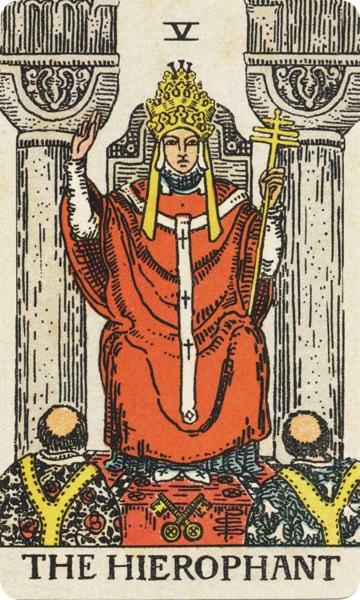

The Hierophant Tarot Card Meaning (Major Arcana V)
The Hierophant is the Major Arcana card of tradition, teaching, and shared belief. It is V, after The Emperor and before The Lovers. Upright, The Hierophant means Spiritual guidance, tradition, faith, education. Reversed, it means Dogma, restriction, rebellion, distrust.
Quick Facts
| Field | Value |
|---|---|
| Number / Rank | V / 5 |
| Arcana / Suit | Major Arcana |
| PKT text year | 1910 |
| Keywords | tradition, teaching, institution, belief, guidance |
| Upright short meaning | Spiritual guidance, tradition, faith, education |
| Reversed short meaning | Dogma, restriction, rebellion, distrust |
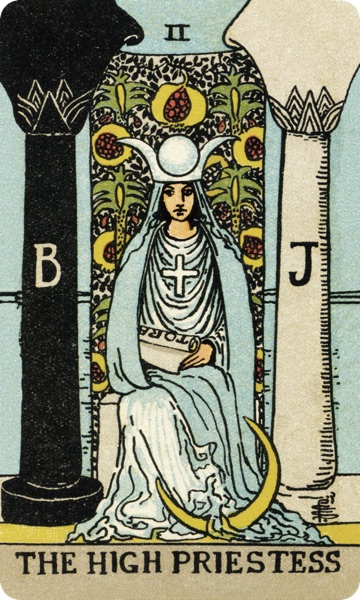
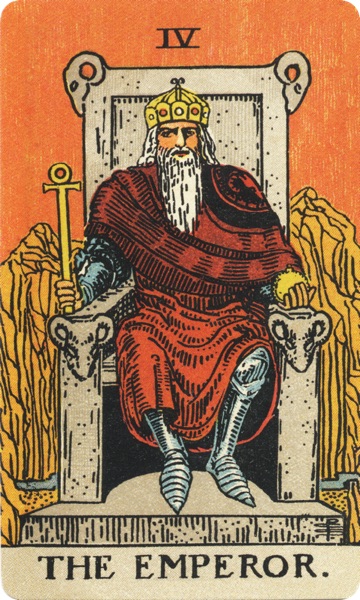
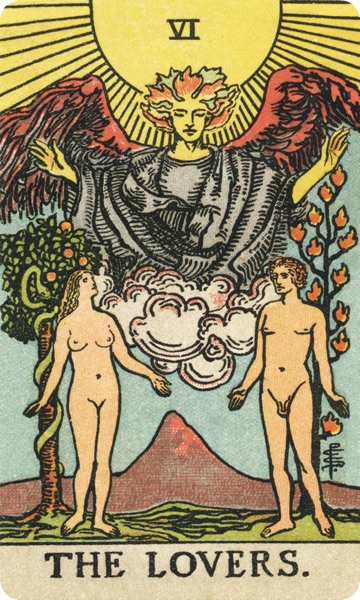
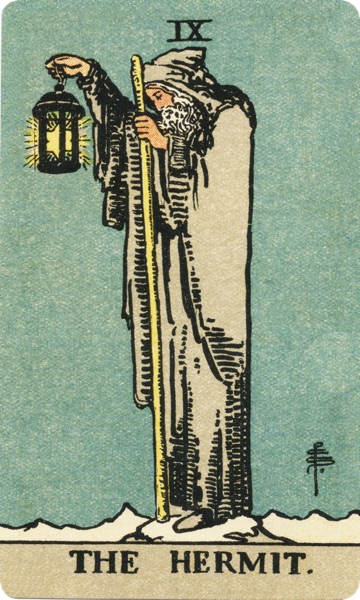
| Related cards | The High Priestess, The Emperor, The Lovers, The Hermit |
Overview
The Hierophant means learning through a structure larger than the individual. That structure may be religious, educational, cultural, professional, or familial.
Waite's 1910 list gives a mixed picture:
"Marriage, alliance, captivity, servitude"
Another account in the same list gives "mercy and goodness; inspiration; the man to whom the Querent has recourse." That tension matters. The Hierophant can be guidance, but it can also be confinement when tradition becomes unquestioned obedience.
Biddy Tarot lists the upright keywords as "Spiritual wisdom, religious beliefs, conformity, tradition, institutions." Labyrinthos groups the card around tradition, social groups, conventionality, conformity, education, knowledge, and beliefs.
What does The Hierophant mean upright?
Upright, The Hierophant means Spiritual guidance, tradition, faith, education. It appears when a question involves teachers, institutions, rituals, formal commitments, or inherited wisdom.
In a reading, the card can support study, mentorship, certification, ceremony, or learning the rules before changing them. It does not require blind obedience. It asks whether a tested framework can help.
The Hierophant is strongest when tradition is alive enough to guide rather than rigid enough to trap.
This distinction is the center of the card. A tradition can preserve hard-won knowledge, protect a community, and give beginners a path. It can also become a gatekeeping system that punishes honest experience. The reading depends on whether the structure is still serving wisdom.
What does The Hierophant mean reversed?
Reversed, The Hierophant means Dogma, restriction, rebellion, distrust. The card can show a conflict with an institution, a refusal to conform, or a tradition that no longer fits the person it claims to guide.
Waite's reversed list includes "Society, good understanding, concord, over-kindness, weakness." Modern readings tend to focus more on restriction, rebellion, and distrust of conventional authority.
The reversed card can also ask whether rebellion is thoughtful or merely reactive.
Not every refusal is liberation. Sometimes the reversed Hierophant shows a needed break from dogma; sometimes it shows distrust so broad that no guidance can enter. The card asks for discernment rather than automatic obedience or automatic rejection.
The Hierophant in love, career, health, and money
Love
In love, The Hierophant can point to commitment, shared values, family expectations, marriage, or relationship norms. Upright, it favors clarity about values and agreements.
Reversed, it can show pressure to fit a relationship into a form that does not suit the people inside it.
The useful love question is not whether the relationship looks acceptable from the outside. It is whether the shared structure actually reflects the people living inside it. The Hierophant supports commitment when commitment is chosen, not merely performed.
How can I shape commitment around our real values despite outside expectations?
 Star-Sleeping Girl · Sora·
 Celtic Cross
Career
In career readings, The Hierophant can support training, credentials, mentorship, professional standards, and institutional work.
Reversed, it may show frustration with bureaucracy or the need to question an inherited rule.
This card is especially relevant when expertise matters. It can say: learn the method before improvising. Reversed, it can say: the method has become a ritual without judgment.
Which professional method do I need to master before improvising?
 Mystic Poet · Selene Noir·
 Mirror of Soul
Health
In health readings, The Hierophant can symbolically point to guidance, routines, and learning from qualified support. In a tarot reading context, this is a symbolic reminder rather than medical advice.
Reversed, it can warn against either rejecting all guidance or following advice without discernment.
Am I rejecting useful guidance or following routines without enough discernment?
Star-Sleeping Girl · Sora· Crossroads of Fate
Money
In money readings, The Hierophant suggests conventional planning, professional advice, rules, and long-term responsibility.
Reversed, it can show distrust of institutions, unhelpful rigidity, or financial decisions made only to satisfy social expectation.
The card does not require blind trust in banks, advisors, or family norms. It asks whether the rule is sound and whether the person understands why they are following it.
Where is my current financial rulebook leading me over the long term?
Mystic Poet · Selene Noir· Flow of Time
Rider-Waite-Smith imagery and symbols
The RWS image shows a religious teacher figure with two attendants. The visual field supports themes of teaching, ritual, hierarchy, and initiation.
This article avoids turning every symbol into a hard fact. If a source identifies an object or title, it can be logged as fact; broader meanings such as "institutional authority" remain interpretation.
The Hierophant is also a naming-risk card. Wikipedia notes the older Pope identity and later esoteric renaming. The English project uses The Hierophant because that is the project card name and common RWS naming.
This naming history should be handled descriptively. The article can say the card has Christian and esoteric layers; it should not flatten those layers into one universal meaning. For many readers, the card's tension comes from exactly that overlap between institution, mystery, and personal conscience.
Historical position in tarot
Historically, this card was closely tied to the Pope. Wikipedia discusses how the figure was later renamed Hierophant in esoteric traditions.
The renaming matters because it shifts the card from a specifically Christian office toward a broader symbol of ritual authority and teaching. The article treats that as historical framing, not as proof that the old meaning disappeared.
In practice, modern readings often use The Hierophant for schools, mentors, ceremonies, professional bodies, family systems, and spiritual communities. The common thread is not religion alone. It is the power of a shared framework to shape behavior.
For English content, this card also needs careful tone because it can trigger strong reactions. Some readers hear "tradition" as safety, continuity, and belonging. Others hear it as pressure, exclusion, or loss of self. A grounded article should make room for both without deciding in advance that tradition is always wise or always oppressive.
Interpretation disputes
The Hierophant's dispute is mostly about authority. In older tarot language, the card is tied to religious office and social order. In modern readings, it can point to any institution or shared belief system. Chatarot uses the modern broader reading, but keeps the older Pope/Hierophant naming history visible so the card does not become generic "advice."
The reversed card should also stay balanced. Rebellion can be necessary when a rule is harmful, but it can also become reflexive distrust. The article uses that tension to keep reversed Hierophant from becoming either blind conformity or automatic anti-institution language.
FAQ
Is The Hierophant only about religion?
No. It can be religious, but it can also refer to education, institutions, mentorship, shared values, or social rules.
What does The Hierophant mean in love?
It can point to commitment, marriage, family expectations, or shared values. Reversed, it may show pressure to conform.
Is The Hierophant reversed always rebellion?
Not always. It can be thoughtful independence, distrust of authority, or a tradition that no longer helps.
Sources and further reading
- Arthur Edward Waite, The Pictorial Key to the Tarot (1910), divinatory meanings, https://en.wikisource.org/wiki/Page:The_Illustrated_Key_to_the_Tarot.djvu/150
- Wikipedia: The Hierophant, https://en.wikipedia.org/wiki/The_Hierophant
- Wikimedia Commons: RWS Tarot 05 Hierophant, https://commons.wikimedia.org/wiki/File:RWS_Tarot_05_Hierophant.jpg
- Biddy Tarot: The Hierophant Tarot Card Meanings, https://biddytarot.com/tarot-card-meanings/major-arcana/hierophant/
- Labyrinthos: The Hierophant Meaning, https://labyrinthos.co/blogs/tarot-card-meanings-list/the-hierophant-meaning-major-arcana-tarot-card-meanings