
The Emperor Tarot Card Meaning (Major Arcana IV)
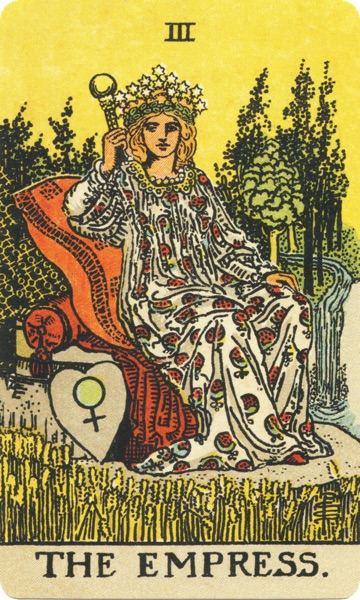
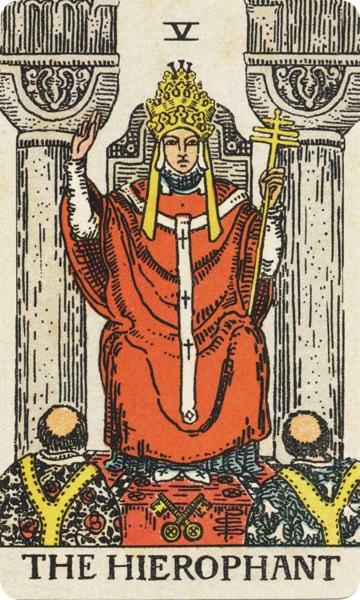
The Emperor is the Major Arcana card of structure, authority, and rules that make action possible. He is IV, following The Empress and preceding The Hierophant. Upright, The Emperor means Authority, establishment, achievement, structure. Reversed, it means Tyranny, rigidity, excessive control.
Quick Facts
| Field | Value |
|---|---|
| Number / Rank | IV / 4 |
| Arcana / Suit | Major Arcana |
| PKT text year | 1910 |
| Keywords | authority, structure, order, discipline, protection |
| Upright short meaning | Authority, establishment, achievement, structure |
| Reversed short meaning | Tyranny, rigidity, excessive control |
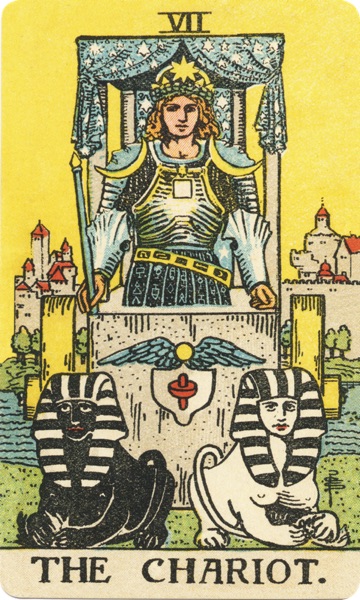
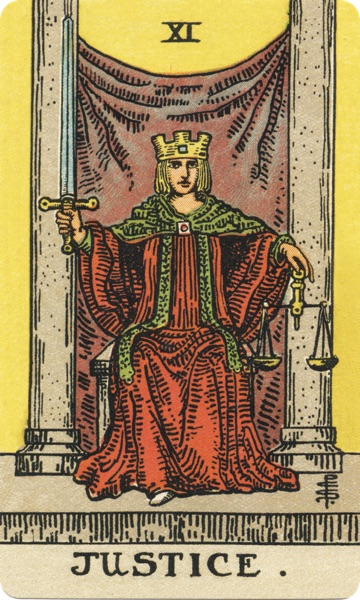
| Related cards | The Empress, The Hierophant, The Chariot, Justice |
Overview
The Emperor means order that can hold pressure. Where The Empress asks what needs nourishment, The Emperor asks what needs a boundary, plan, rule, or stable container.
Waite's 1910 list opens with:
"Stability, power, protection, realization"
Biddy Tarot lists the upright keywords as "Authority, establishment, structure, a father figure." Labyrinthos groups the card around stability, structure, protection, authority, control, practicality, focus, and discipline. Chatarot uses "father figure" as a source keyword, not as a gender assumption for every reading.
What does The Emperor mean upright?
Upright, The Emperor means Authority, establishment, achievement, structure. The card often points to leadership, practical order, and the discipline needed to make an idea durable.
In a reading, The Emperor can describe a person with authority, a system of rules, a need for boundaries, or a project that needs governance. It is not automatically cold. Good structure can protect what matters.
The upright card asks: what rule would make this easier to sustain?
That question matters because The Emperor is not only about command. At its best, authority creates conditions where people know what is expected, what is protected, and what happens next. The card can be a relief when a situation has become too vague to hold.
What does The Emperor mean reversed?
Reversed, The Emperor means Tyranny, rigidity, excessive control. Structure turns harmful when it exists only to preserve power.
Waite's reversed list includes "Benevolence, compassion, credit" but also "confusion to enemies, obstruction, immaturity." Modern readings usually emphasize control, rigidity, domination, or weak leadership disguised as authority.
The reversed Emperor can also show fear of structure. Sometimes the problem is not too much authority, but avoidance of responsibility.
This is the card's quieter reversed form. A person may reject every boundary because they have only known bad authority, or they may wait for someone else to define the plan. In that case, the repair is not domination; it is mature ownership.
The Emperor in love, career, health, and money
Love
In love, The Emperor can point to reliability, commitment, and clear agreements. Upright, it supports a relationship where people know what they are building.
Reversed, it can show controlling behavior, emotional rigidity, or a relationship organized around power rather than care.
The card is healthiest when agreements protect intimacy rather than replacing it. A relationship needs structure, but it also needs responsiveness. If rules become a substitute for listening, The Emperor has moved into his reversed shadow.
Are our agreements protecting our intimacy, or replacing honest listening?
 Star-Sleeping Girl · Sora·
 Crossroads of Fate
Career
In career, The Emperor is a strong card for management, leadership, operations, compliance, and long-term planning. It favors systems over improvisation.
Reversed, it may show a controlling boss, brittle hierarchy, or a person refusing to take ownership.
The career reading often turns on whether the structure is serving the work. A clear process can free people to act. A rigid process can drain judgment from everyone involved. The Emperor asks which one is happening.
How can I lead effectively within a hierarchy that’s become too rigid?
 Mystic Poet · Selene Noir·
 Celtic Cross
Health
In health readings, The Emperor can symbolically point to routine, structure, and consistent follow-through. In a tarot reading context, this is a symbolic reminder rather than medical advice.
Reversed, it may suggest either over-control or lack of sustainable structure.
What sustainable routine would help me balance consistency with flexibility?
Star-Sleeping Girl · Sora· Mirror of Soul
Money
In money readings, The Emperor suggests budgeting, planning, protection, and long-term stability. It does not promise wealth; it asks for governance.
Reversed, it can warn against financial rigidity, control battles, or refusal to face practical limits.
This makes the card useful for questions about debt, savings, and shared resources. The Emperor's answer is rarely dramatic: define the rule, protect the base, and stop letting mood decide the system.
How will firmer budgeting now shape my long-term financial stability?
Mystic Poet · Selene Noir· Flow of Time
Rider-Waite-Smith imagery and symbols
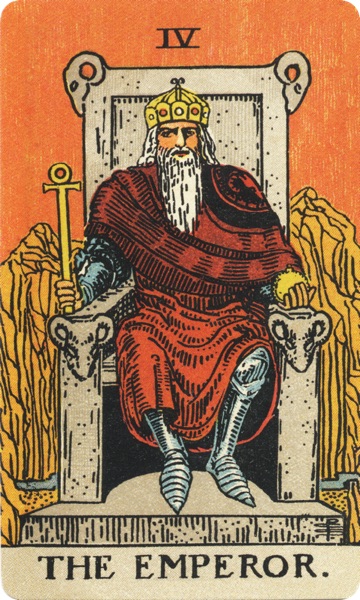
The RWS image shows a crowned ruler seated on a throne. The visual facts can support themes of authority and structure, but specific symbolic claims should stay tied to sources.
Wikipedia discusses ram heads and Aries symbolism in relation to the Emperor. Because that is a secondary source, this article treats it as a cited interpretive tradition rather than primary proof.
The stone throne and severe landscape help the card feel dry, durable, and controlled. Chatarot reads that as structure without softness; whether that is helpful or harmful depends on the reading.
The visual severity is part of the card's honesty. Some situations need warmth, but others need a line that does not move every hour. The Emperor becomes problematic only when the line exists to preserve ego rather than protect the work.
Historical position in tarot
The Emperor is one of tarot's older ruler cards. Wikipedia describes the figure as present in early decks including Visconti-Sforza and Marseille traditions.
In modern RWS reading, The Emperor is often contrasted with The Empress: structure and order beside growth and nurture. That contrast is useful, but it should be marked as modern interpretation rather than Waite's fixed statement.
The contrast also prevents a common mistake. The Emperor is not "better" because he is structured, and The Empress is not "softer" because she grows things. They answer different problems. A living system usually needs both.
For Batch 1 style, The Emperor is a useful test of tone. It is easy to make him sound authoritarian or to flatten him into generic "masculine energy." The safer English reading is narrower and more practical: this card asks who is responsible, what structure exists, and whether authority is protecting the work or protecting itself.
Interpretation disputes
The Emperor is not a high-dispute card in the same way Death or The Tower is, but it does have a recurring modern tension. Some readers emphasize stable leadership and protection; others focus on patriarchy, control, or rigidity. Chatarot handles that by keeping the upright reading grounded in structure and responsibility, while letting the reversed reading carry the stronger warning about tyranny and excessive control.
The article also avoids assuming that The Emperor represents a man in the querent's life. The card can describe a person, an institution, a role, or a pattern of behavior. That neutral framing keeps the interpretation useful without importing gender assumptions.
FAQ
Is The Emperor a good tarot card?
The Emperor is useful when structure, leadership, or clear boundaries are needed. It becomes difficult when authority hardens into control.
What does The Emperor mean in love?
In love, The Emperor can mean reliability and commitment. Reversed, it can point to control, emotional distance, or power imbalance.
What does The Emperor reversed warn about?
It warns about tyranny, rigidity, excessive control, or failure to take mature responsibility.
Sources and further reading
- Arthur Edward Waite, The Pictorial Key to the Tarot (1910), divinatory meanings, https://en.wikisource.org/wiki/Page:The_Illustrated_Key_to_the_Tarot.djvu/150
- Wikipedia: The Emperor (tarot card), https://en.wikipedia.org/wiki/The_Emperor_(tarot_card)
- Wikimedia Commons: RWS Tarot 04 Emperor, https://commons.wikimedia.org/wiki/File:RWS_Tarot_04_Emperor.jpg
- Biddy Tarot: The Emperor Tarot Card Meanings, https://biddytarot.com/tarot-card-meanings/major-arcana/emperor/
- Labyrinthos: The Emperor Meaning, https://labyrinthos.co/blogs/tarot-card-meanings-list/the-emperor-meaning-major-arcana-tarot-card-meanings