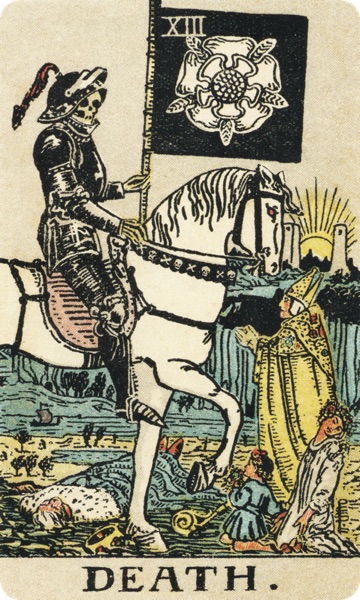

Death Tarot Card Meaning (Major Arcana XIII)
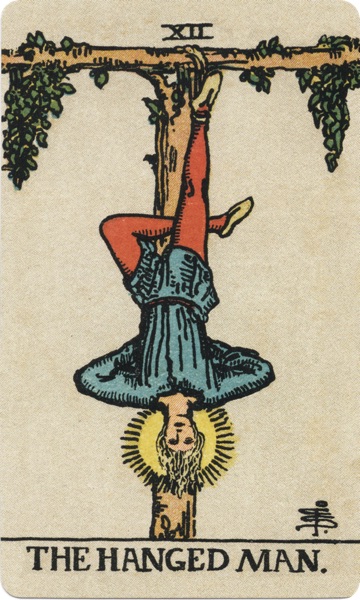
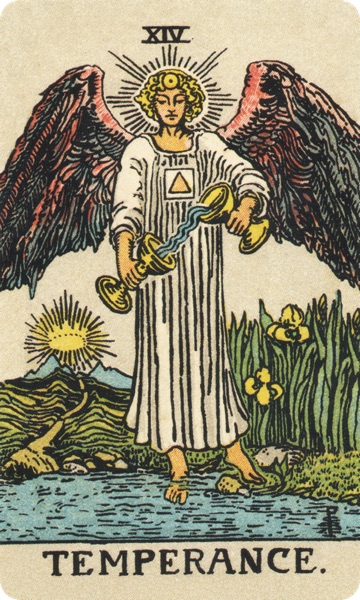
Death is the Major Arcana card of ending, change, and transition. It is XIII, between The Hanged Man and Temperance. Upright, Death means Endings, change, transformation, transition. Reversed, it means Stagnation, resistance to change, denial.
Quick Facts
| Field | Value |
|---|---|
| Number / Rank | XIII / 13 |
| Arcana / Suit | Major Arcana |
| PKT text year | 1910 |
| Keywords | ending, release, transition, transformation, clearing |
| Upright short meaning | Endings, change, transformation, transition |
| Reversed short meaning | Stagnation, resistance to change, denial |
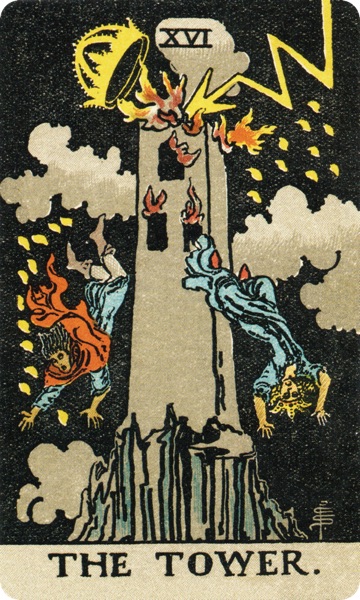
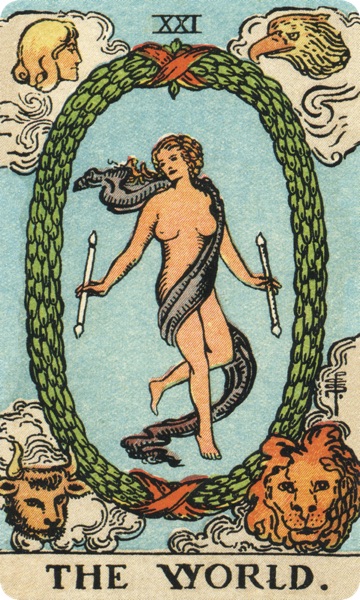
| Related cards | The Hanged Man, The Tower, The World, Temperance |
Overview
Death means an old form is ending so the next phase can become possible. It is one of the most misunderstood tarot cards because its image is severe, but modern interpretation usually reads it as transformation rather than literal death.
Waite's 1910 list begins with the older hard language:
"End, mortality, destruction, corruption"
Biddy Tarot lists the upright keywords as "Endings, change, transformation, transition." Labyrinthos groups the card around transformation, endings, change, transition, and letting go. The article follows that modern mainline while keeping Waite's harsher wording visible.
What does Death mean upright?
Upright, Death means Endings, change, transformation, transition. It appears when something has reached the end of its viable form.
In a reading, Death can describe the close of a relationship pattern, job phase, identity, habit, or emotional season. The key is that the ending is not merely loss; it clears space for a different structure of life.
This card should not be used to predict literal death. In English content, that boundary must stay explicit and calm.
That boundary does not make the card soft. Death still says something is ending. The difference is that tarot interpretation treats the ending as symbolic and contextual: a role, attachment, phase, habit, story, or structure reaches its limit and must be released.
What does Death mean reversed?
Reversed, Death means Stagnation, resistance to change, denial. The ending may already be clear, but the person is not ready to release the old form.
Waite's reversed list includes "Inertia, sleep, lethargy, petrifaction, somnambulism; hope destroyed." Modern readings often translate that into resistance, stuckness, delayed transition, or fear of the next phase.
The reversed card asks what is being kept alive after it has stopped being alive in practice.
This can be one of the hardest reversals because the person may already know the answer. The resistance often comes from grief, identity, fear of emptiness, or loyalty to a version of life that no longer exists. The card asks for honesty before renewal.
Death in love, career, health, and money
Love
In love, Death can mark the end of a relationship pattern, an old attachment, or sometimes the relationship itself. It is not automatically breakup, but it does mean the old form cannot continue unchanged.
Reversed, it can show clinging to a finished chapter or refusing to let a relationship evolve.
A useful love reading distinguishes ending the relationship from ending the pattern. Sometimes the relationship continues because the old dynamic is allowed to die. Sometimes the relationship ends because the dynamic cannot change. Death asks which ending is actually present.
Do I need to end this relationship or just our old pattern?
 Star-Sleeping Girl · Sora·
 Crossroads of Fate
Career
In career readings, Death can describe leaving a role, ending a project, changing fields, or letting go of an identity built around old work.
Reversed, it may show staying too long in a role or resisting a necessary transition.
Career Death is often practical rather than dramatic. It can show a product line closing, a project ending, a team changing, or a professional identity that has done its work. The card asks what must be completed cleanly so the next phase is not built on residue.
How will ending this work chapter shape my next professional phase?
 Mystic Poet · Selene Noir·
 Flow of Time
Health
In health readings, Death should be treated symbolically as release, transition, and changing a pattern that no longer supports life. In a tarot reading context, this is a symbolic reminder rather than medical advice.
Reversed, it may point to fear of change or clinging to old habits. It must not be read as a diagnosis or literal death prediction.
Which old habit am I ready to release for better wellbeing?
Star-Sleeping Girl · Sora· Mirror of Soul
Money
In money readings, Death can indicate ending an old financial pattern, closing an account, changing a plan, or accepting that a previous strategy is finished.
Reversed, it can show denial about financial change or unwillingness to stop a draining pattern.
The financial message is not "loss is inevitable." It is that a pattern may be over. A budget, agreement, income stream, or spending habit may need to be closed rather than endlessly adjusted.
Why am I still adjusting a financial pattern that needs closing?
Mystic Poet · Selene Noir· Celtic Cross
Rider-Waite-Smith imagery and symbols
The RWS image shows a skeletal rider on a white horse carrying a black banner. The image also includes fallen and standing figures, water, towers, and a rising sun in the distance.
The banner and white rose are often read as signs that death and renewal are linked, but the article treats such meanings as interpretation unless a source explicitly states them.
The sunrise is important for modern reading because it visually prevents the card from ending in pure negation. Chatarot reads it as transition after ending, not as denial of loss.
The black banner and white horse create the same double movement: severity and passage. The image is not sentimental, but it is not empty. Something passes through the scene, and the background keeps the eye moving beyond the fallen forms.
Historical position in tarot
Wikipedia notes that Death has often been treated as the unnamed card in some traditions. That history helps explain why the card carries fear and taboo.
Modern tarot sources strongly emphasize transformation and transition. The article keeps both layers visible: the older card is severe, while contemporary practice usually reads it as the necessary close of one form.
Interpretation disputes
Death is a required dispute card because the image and old keyword lists are harsh, while modern English tarot practice usually stresses transformation. Chatarot follows the internal short meaning, Endings, change, transformation, transition, and explicitly avoids literal death prediction.
The dispute is not solved by making the card cheerful. The ending is real. The question is what can live after the old form has ended.
That is the tone English content should preserve. Death is not a threat, but it is also not a motivational slogan. It is the card of a necessary threshold: one form stops, and the reader has to decide how honestly to cross.
FAQ
Does Death mean literal death?
In modern tarot practice, Death is usually not read as literal death. It most often points to endings, transformation, and transition. The article does not use it as a death prediction.
What does Death mean in love?
It can mean a relationship pattern is ending, a bond is changing form, or a finished relationship needs to be released. Reversed, it can show resistance to that change.
What is the difference between Death and The Tower?
Death is an ending and transition. The Tower is sudden disruption and exposure. Death can be quiet and final; The Tower is often abrupt and shocking.
Sources and further reading
- Arthur Edward Waite, The Pictorial Key to the Tarot (1910), divinatory meanings, https://en.wikisource.org/wiki/Page:The_Illustrated_Key_to_the_Tarot.djvu/151
- Wikipedia: Death (tarot card), https://en.wikipedia.org/wiki/Death_(tarot_card)
- Wikimedia Commons: RWS Tarot 13 Death, https://commons.wikimedia.org/wiki/File:RWS_Tarot_13_Death.jpg
- Biddy Tarot: Death Tarot Card Meanings, https://biddytarot.com/tarot-card-meanings/major-arcana/death/
- Labyrinthos: Death Meaning, https://labyrinthos.co/blogs/tarot-card-meanings-list/death-meaning-major-arcana-tarot-card-meanings