
The Chariot Tarot Card Meaning (Major Arcana VII)
The Chariot is the Major Arcana card of focused movement under pressure. It is VII, after The Lovers and before Strength. Upright, The Chariot means Victory, willpower, determination, self-control. Reversed, it means Lack of control, aggression, obstacles.
Quick Facts
| Field | Value |
|---|---|
| Number / Rank | VII / 7 |
| Arcana / Suit | Major Arcana |
| PKT text year | 1910 |
| Keywords | willpower, control, direction, victory, discipline |
| Upright short meaning | Victory, willpower, determination, self-control |
| Reversed short meaning | Lack of control, aggression, obstacles |
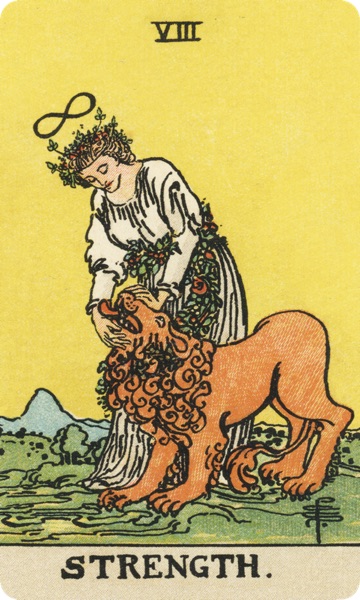
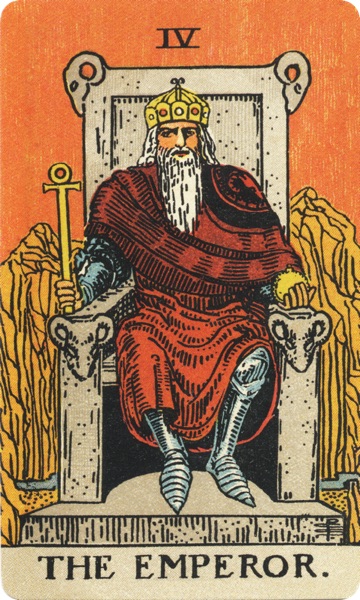
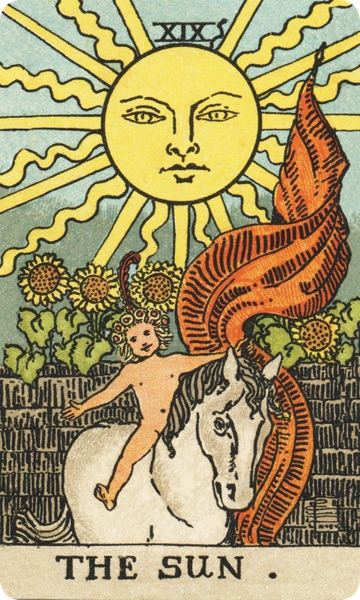
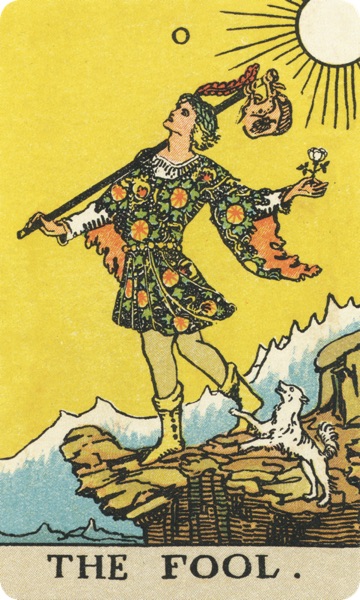
| Related cards | Strength, The Emperor, The Sun, The Fool |
Overview
The Chariot means forward motion that requires discipline. The image is not only about victory; it is about keeping opposing forces aligned long enough to move.
Waite's 1910 list begins:
"Succor, providence; also war, triumph, presumption, vengeance, trouble."
That is more complicated than a simple success card. Biddy Tarot lists the upright keywords as "Control, willpower, success, action, determination." Labyrinthos groups the card around success, ambition, determination, willpower, control, self-discipline, and focus.
What does The Chariot mean upright?
Upright, The Chariot means Victory, willpower, determination, self-control. It points to the kind of progress that happens when scattered energy is directed.
In a reading, it can describe a push toward a goal, a difficult journey, a competitive situation, or the need to choose a direction and hold it. The card is active, but not careless. Self-control is part of the meaning.
The Chariot is useful when the situation contains tension. It does not remove opposition; it asks whether the reader can steer through it.
This makes the card different from effortless progress. The Chariot usually appears when there is friction: competing priorities, mixed motives, external pressure, or a deadline that requires focus. Its confidence comes from discipline, not from the absence of difficulty.
What does The Chariot mean reversed?
Reversed, The Chariot means Lack of control, aggression, obstacles. The force is still there, but it may be scattered, blocked, or pushed too hard.
Waite's reversed list includes "Riot, quarrel, dispute, litigation, defeat." Modern readings usually translate that into loss of direction, emotional overdrive, aggression, or obstacles that require a different strategy.
The reversed Chariot asks whether the will is steering the vehicle or just pressing harder on the same stuck path.
That question can be uncomfortable because effort may already be high. Reversed Chariot often shows that more force will not solve a direction problem. The repair may be a clearer goal, better timing, or willingness to stop fighting the wrong battle.
The Chariot in love, career, health, and money
Love
In love, The Chariot can describe a relationship that needs direction and shared effort. Upright, it supports honest movement through conflict rather than passive waiting.
Reversed, it can show power struggles, emotional pushing, or two people pulling in different directions.
The card is not naturally soft, so it should be read carefully in relationship questions. It can support courage and progress, but it can also reveal a dynamic where winning has become more important than understanding.
Should I push us toward progress or pause to rebuild mutual understanding?
 Star-Sleeping Girl · Sora·
 Crossroads of Fate
Career
In career readings, The Chariot points to ambition, competition, deadlines, leadership under pressure, and visible progress.
Reversed, it may show a project losing direction, a team fighting itself, or a goal being pursued with too much force and too little coordination.
Career Chariot is strongest when the goal is clear and the person can accept constraints. It becomes weaker when ambition outruns strategy. The card asks whether the current push is coordinated enough to arrive anywhere useful.
Is my ambition backed by enough strategy and coordination to reach this goal?
 Mystic Poet · Selene Noir·
 Celtic Cross
Health
In health readings, The Chariot can symbolically point to discipline and consistent effort. In a tarot reading context, this is a symbolic reminder rather than medical advice.
Reversed, it may suggest pushing too hard or losing the structure that keeps effort sustainable.
How will my wellbeing change if I adopt a more sustainable pace?
Star-Sleeping Girl · Sora· Flow of Time
Money
In money readings, The Chariot favors focused planning and disciplined progress toward a financial goal.
Reversed, it can warn against impulsive financial moves, conflict around money, or obstacles that require a revised route.
For money questions, the card is about direction more than luck. It favors one plan followed consistently over five plans started in reaction to anxiety. Reversed, it asks where urgency is distorting judgment.
What financial priority should guide me when urgency starts distorting my judgment?
Mystic Poet · Selene Noir· Mirror of Soul
Rider-Waite-Smith imagery and symbols
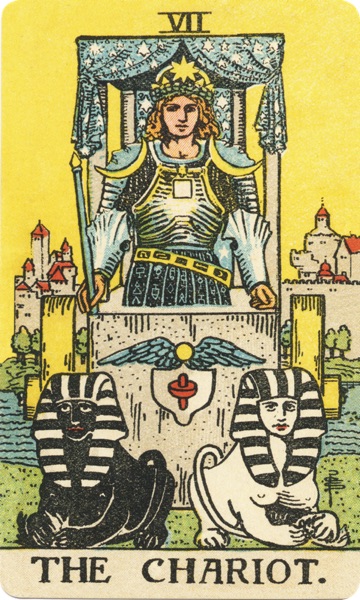
The RWS image shows a figure in a chariot with contrasting sphinxes. Wikipedia describes a charioteer pulled by two sphinxes or horses and notes a common black-and-white motif.
The absence of visible reins is symbolically important in modern reading, but it should remain interpretation unless a source explicitly frames it that way. Chatarot reads it as self-control operating through will rather than physical force.
The contrasting animals support the theme of opposing energies. The card is not about eliminating tension; it is about directing it.
That is why The Chariot often follows a choice or value conflict. After deciding what matters, the person still has to move through the world. The card represents the discipline required after the decision, not the decision itself.
Historical position in tarot
The Chariot belongs to the old triumphal imagery of tarot. In modern RWS reading it often becomes a card of victory through discipline and inner control.
Waite's list still includes war, presumption, vengeance, and trouble, which keeps the card from becoming one-note positivity. The article preserves that edge while following the internal modern short meaning.
This source tension is useful for English readers. The Chariot can be triumphant, but it can also become aggressive. A grounded interpretation should ask whether victory is still aligned with the original purpose.
Interpretation disputes
The Chariot is not required to have a dispute section, but the card benefits from a short source-aware note. Waite's list includes triumph and providence, but also war, presumption, vengeance, and trouble. Modern sources usually lead with control, willpower, success, and determination.
Chatarot follows the modern/internal upright reading because that is how English users usually search for the card. The older warning language remains useful, though, because it explains why the reversed card can become aggression or control failure. Victory is not enough if the method damages the purpose.
This also keeps the card from becoming a generic "success" symbol. The Chariot is specifically about disciplined motion under pressure. If the question has no tension, no competing pull, and no need for self-command, another success card may be a better fit.
In review, compare it especially with Strength and The Emperor. The Emperor builds the rule, Strength regulates the inner force, and The Chariot moves through resistance. That separation helps prevent the English major arcana pages from repeating the same control language.
FAQ
Is The Chariot a victory card?
Often, yes, but it is victory through discipline and control, not luck. The card asks how direction is being maintained.
What does The Chariot mean in love?
It can mean moving a relationship forward through clear effort. Reversed, it can show conflict, pressure, or different directions.
What does The Chariot reversed warn about?
It warns about loss of control, aggression, scattered effort, or pushing without steering.
Sources and further reading
- Arthur Edward Waite, The Pictorial Key to the Tarot (1910), divinatory meanings, https://en.wikisource.org/wiki/Page:The_Illustrated_Key_to_the_Tarot.djvu/150
- Wikipedia: The Chariot (tarot card), https://en.wikipedia.org/wiki/The_Chariot_(tarot_card)
- Wikimedia Commons: RWS Tarot 07 Chariot, https://commons.wikimedia.org/wiki/File:RWS_Tarot_07_Chariot.jpg
- Biddy Tarot: The Chariot Tarot Card Meanings, https://biddytarot.com/tarot-card-meanings/major-arcana/chariot/
- Labyrinthos: The Chariot Meaning, https://labyrinthos.co/blogs/tarot-card-meanings-list/the-chariot-meaning-major-arcana-tarot-card-meanings