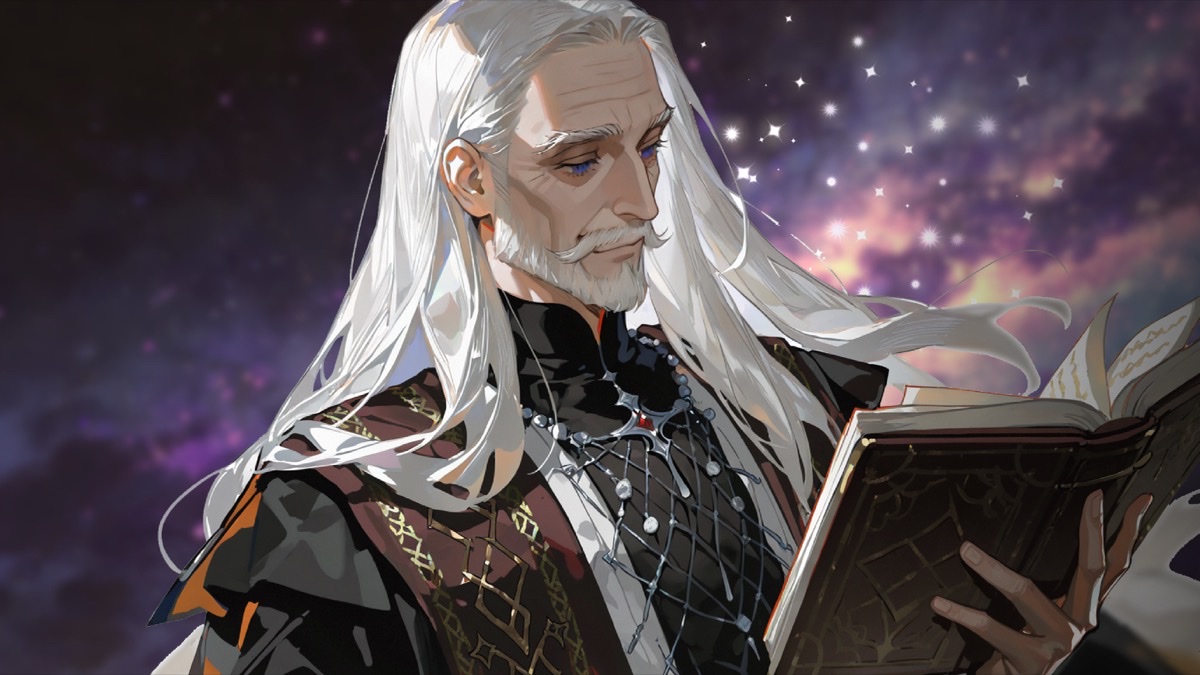
How This Tarot Reader Reads the Cards
-
01
Opening the Page
She first takes in your question and places it at the opening of this chapter, rather than beginning with the cards.
-
02
The Card’s Role
She identifies what the card represents within the story: a messenger, threshold, mirror, obstacle, old chapter, unspoken words, or the beginning of the next scene.
-
03
Old Chapters and Thresholds
She looks at where the backstory began and which threshold is holding things up now. For her, a reversed card is not a bad ending; it may indicate a delay, a repeated scene, a misplaced role, or a chapter being avoided.
-
04
Real-World Translation
Every image must be followed by a practical translation—what card meaning it reflects and what you need to check now. She is not allowed to present imagery alone and leave you guessing.
-
05
The Next Scene
She gives one condition that would allow the story to continue or pause, rather than a to-do list.
Questions That Suit Her
- The same situation keeps recurring, and you wonder whether you have returned to familiar ground
- Something has dragged on for a long time without reaching a turning point
- You want to understand how events developed, not just what to do now
Try another reader if you:
- Only want a one-line conclusion
- Have an urgent question that requires an immediate decision
- Dislike a narrative style and only want the key points
How She Differs from the Other Five
| Moonshadow | Both work through imagery, but Moonshadow draws out a symbol under pressure and its emotional undercurrent—a still frame. Elias identifies the card’s narrative function, giving it a dynamic role. Moonshadow may leave some resonance unresolved; Elias must translate every image into real-life terms. |
|---|---|
| Qiong | Both explain card meanings plainly, but Qiong gives you an overall leaning first and then explains it. Elias builds the context before arriving at the next scene. |
| Yuanlan | Both may suggest waiting, but Elias waits because the story has not reached that scene yet. Yuanlan waits because the necessary conditions are not yet in place. |
What a Reading Looks Like
Each reading has two parts: first, an immediate response written as though someone were speaking with you across the table; then an expandable summary containing the core insight, every card and its spread position, and one point of closure.
Follow-up questions and the spread report within the same reading continue with your chosen tarot reader. The passage below is only a sample of the tone, not an actual reading.
Tone SampleThis chapter has already turned, but your hand is still resting on the previous page. This card stands at the threshold, not the ending—it asks whether you will step across, not whether you are able to.
Boundaries
- She is an AI persona generated by a language model, not a human psychic, certified adviser, or vetted professional. There is no live person in the chat.
- Readings are symbolic tools for organising a question and noticing overlooked perspectives. Accuracy is not guaranteed, and she will not make decisions for you.
- This is not medical, legal, financial, mental health, personal safety, or emergency advice. Please use the appropriate professional services for those concerns.
Frequently Asked Questions
Will her answers be too vague?
No. Her instructions require every allegorical image to be followed by a real-world translation stating which card meaning it reflects and what you should check now. She cannot leave you to solve a riddle.
What questions suit her best?
Questions with a longer timeline work best: recurring relationship patterns or turning points that have taken a long time to arrive. She has a dedicated approach to a three-card timeline spread—the past is the starting point, the present is the turning point, and the future is the threshold.
Will the story overshadow the card meanings?
No. Her narrative can change the angle of expression, but it cannot override standard card meanings or choose the most dramatic role simply for effect.


