
Wheel of Fortune Tarot Card Meaning (Major Arcana X)
Wheel of Fortune means a turn in the pattern. Upright, it points to destiny, turning point, opportunity, and change. Reversed, Chatarot aligns with the internal short meaning: bad luck, resistance, and unwanted change. Waite is milder on the reversal, so the article keeps the modern reading separate from the older source.
Quick Facts
| Field | Value |
|---|---|
| Number / Rank | X / 10 |
| Arcana / Suit | Major Arcana |
| PKT text year | 1910 |
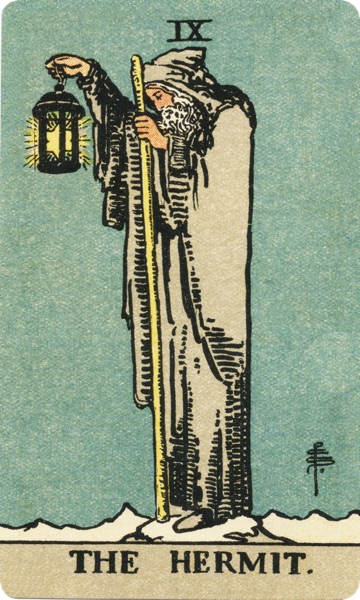
| Source sequence | The Hermit -> Wheel of Fortune -> Justice |
| Keywords | change, cycles, opportunity, turning point, fortune |
| Upright short meaning | Destiny, turning point, opportunity, change |
| Reversed short meaning | Bad luck, resistance, unwanted change |
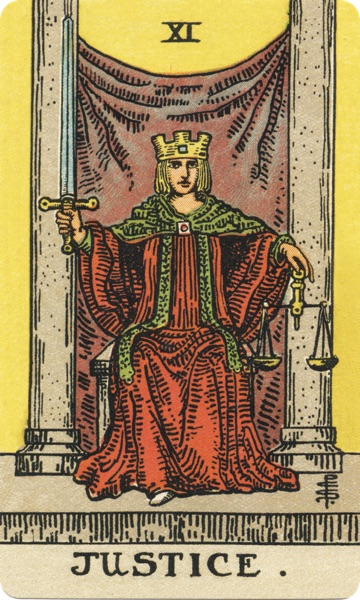
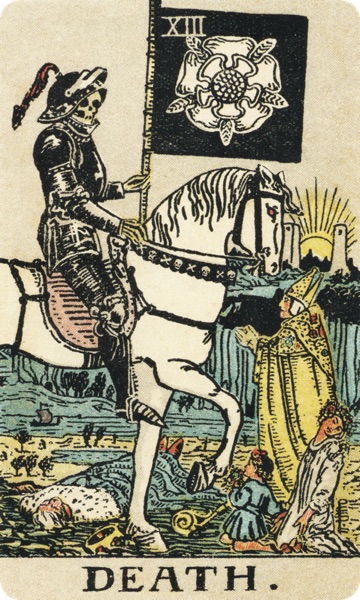
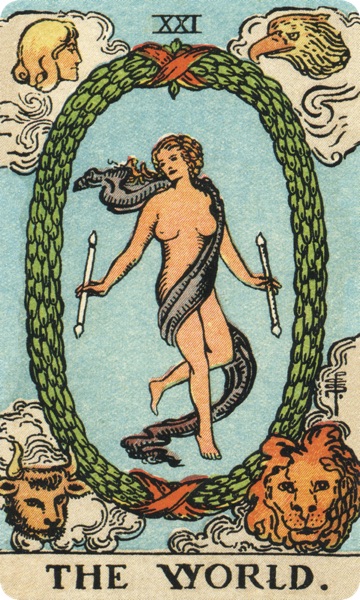
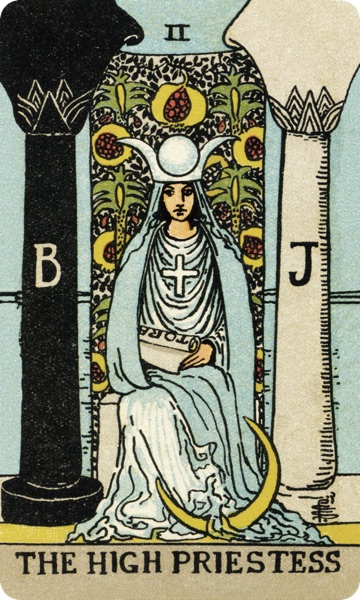
| Related cards | Justice, Death, The World, The High Priestess |
Overview
Wheel of Fortune is the Major Arcana card of turning points, cycles, and the limits of personal control. In the project sequence it is X, after The Hermit and before Justice. Upright, Wheel of Fortune means Destiny, turning point, opportunity, change. Reversed, it means Bad luck, resistance, unwanted change.
Waite's 1910 Pictorial Key to the Tarot gives this upright anchor:
"Destiny, fortune, success, elevation, luck, felicity."
That quote is useful, but it is not the whole modern card. Biddy Tarot lists the upright keywords as "Good luck, karma, life cycles, destiny, a turning point". Labyrinthos keyword material groups the card around change, cycles, decisive moments, luck, fortune, unexpected events, and reversed loss of control or unwelcome changes. Chatarot uses those modern sources as interpretation support while keeping Waite's older list visible.
The card is also shaped by its sequence position. It is one of 22 Major Arcana cards, and its number, X, places it between The Hermit and Justice. That placement helps keep the interpretation specific instead of turning it into a generic advice page.
For Chatarot, Wheel of Fortune should be source-aware because the reversed meaning is one of the clearest places where Waite and modern search expectation diverge. The internal short meaning says bad luck, resistance, and unwanted change. Waite's reversed list says increase, abundance, and superfluity. Both can be documented, but they should not be blended into one fake tradition.
The card also needs careful agency language. It is tempting to write as if fate decides everything and the person has no role. A calmer reading says that some conditions are larger than personal control, while response still matters. You cannot stop every turn of the wheel, but you can prepare, adapt, notice timing, and avoid clinging to a season that has already changed.
In practical spreads, this card often marks a shift in context rather than a single event. The question may be less, will I win or lose, and more, what cycle am I inside, and what behavior fits this phase?
What does Wheel of Fortune mean upright?
Upright, Wheel of Fortune means Destiny, turning point, opportunity, change. It appears when events are moving, timing matters, and the questioner is not the only force shaping the outcome.
Waite lists destiny, fortune, success, elevation, luck, and felicity. Biddy also leads with luck, cycles, destiny, and a turning point. The shared center is change that arrives through a larger pattern.
In a reading, the card asks for responsiveness. You may not control the whole wheel, but you can notice where the opening is, what season is ending, and what action fits the turn.
What does Wheel of Fortune mean reversed?
Reversed, Wheel of Fortune means Bad luck, resistance, unwanted change in the project data. That is a modern reading and should not be presented as Waite's exact reversal.
Waite gives the reversed meanings as increase, abundance, and superfluity, which are not the same as modern bad-luck language. The source tension matters: older divinatory lists sometimes behave differently from contemporary reading habits.
The grounded reversed reading is not that everything is doomed. It can show poor timing, resistance to a cycle that is already changing, or a pattern repeating because it has not been understood.
Wheel of Fortune in love, career, health, and money
Love
In love, Wheel of Fortune can point to relationship change, timing, or a turning point that neither person can ignore. Upright, the shift may open a better pattern. Reversed, it can show instability, repeated cycles, or resistance to change that the relationship has already begun to require.
Why does my relationship keep repeating this cycle, and what needs to change?
 Star-Sleeping Girl · Sora·
 Celtic Cross
Career
In career readings, the card often points to opportunity, changing conditions, or a moment when adaptability matters more than control. It can describe a market shift, new role, or project window. Reversed, it may show disruption, missed timing, or clinging to a method that no longer fits.
Should I pursue the new role or adapt where I am?
 Mystic Poet · Selene Noir·
 Crossroads of Fate
Health
In health readings, Wheel of Fortune can symbolically point to cycles, routines, and the need to adapt when conditions change. In a tarot reading context, this is a symbolic reminder rather than medical advice. Reversed, it may suggest frustration with unpredictability or the need for steadier support systems.
What daily routine would help me feel steadier through changing conditions?
Star-Sleeping Girl · Sora· Mirror of Soul
Money
In money readings, Wheel of Fortune suggests changing circumstances. It can point to opportunity, but it also asks for flexibility and reserves. Reversed, it can show unwanted expenses, instability, or resistance to adjusting a plan when the facts have changed.
How should my financial priorities shift as my circumstances change?
Mystic Poet · Selene Noir· Flow of Time
Rider-Waite-Smith imagery and symbols
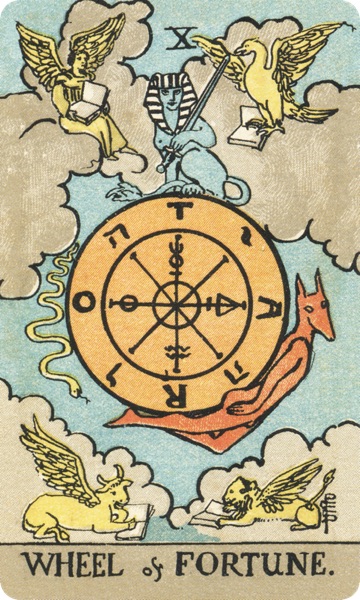
The Rider-Waite-Smith image shows a wheel with multiple figures around it. The visual facts support themes of movement, rotation, and changing position, while named esoteric correspondences should stay tied to sources.
The card is visually busier than many Major Arcana cards. That complexity is useful: the meaning is not one simple event, but the motion of several forces at once.
This article does not claim that any single symbol was invented by Smith or Waite unless a source states that directly.
Historical position in tarot
Historically, Wheel of Fortune is Major Arcana X. Wikipedia supports the card identity and broad overview. Waite supplies the 1910 divinatory list, including the important mismatch between his reversed wording and the modern reversed reading used by many English sources.
Interpretation disputes
Wheel of Fortune has a small but important source tension. Modern sources often read the reversal as bad luck, resistance, lack of control, or unwanted change. Waite, however, gives reversed terms around increase and abundance. Chatarot follows the internal short meaning for user-facing interpretation, while the SOURCE_LOG keeps Waite separate so the modern reading is not laundered into the primary text.
FAQ
Is Wheel of Fortune always good luck?
No. Upright it often points to opportunity and a favorable turn, but the deeper meaning is change and timing.
Why does the reversed card say bad luck if Waite says increase?
That is a source difference. Chatarot follows the internal modern short meaning, while noting that Waite's 1910 reversed list is not identical.
What should I do when Wheel of Fortune appears?
Look for the turning point, adapt to the actual conditions, and avoid treating control as the only form of agency.
Sources and further reading
- Arthur Edward Waite, The Pictorial Key to the Tarot (1910), Wikisource proofread page, https://en.wikisource.org/wiki/Page:The_Illustrated_Key_to_the_Tarot.djvu/150
- Wikipedia: Wheel of Fortune tarot card, https://en.wikipedia.org/wiki/Wheel_of_Fortune_(tarot_card)
- Wikimedia Commons: RWS Tarot 10 Wheel of Fortune, https://commons.wikimedia.org/wiki/File:RWS_Tarot_10_Wheel_of_Fortune.jpg
- Biddy Tarot: Wheel of Fortune Tarot Card Meanings, https://biddytarot.com/tarot-card-meanings/major-arcana/wheel-of-fortune/
- Labyrinthos: Wheel of Fortune Meaning, https://labyrinthos.co/blogs/tarot-card-meanings-list/the-wheel-of-fortune-meaning-major-arcana-tarot-card-meanings