
Judgement Tarot Card Meaning (Major Arcana XX)
Judgement means an honest reckoning that makes renewal possible. Chatarot uses the project spelling Judgement, while Judgment is a common US spelling. Upright, it points to rebirth, inner calling, release, and awakening. Reversed, it warns of self-doubt and refusing change.
Quick Facts
| Field | Value |
|---|---|
| Number / Rank | XX / 20 |
| Arcana / Suit | Major Arcana |
| PKT text year | 1910 |
| Source sequence | The Sun -> Judgement -> The World |
| Keywords | rebirth, calling, release, awakening, review |
| Upright short meaning | Rebirth, inner calling, release, awakening |
| Reversed short meaning | Self-doubt, refusing change |
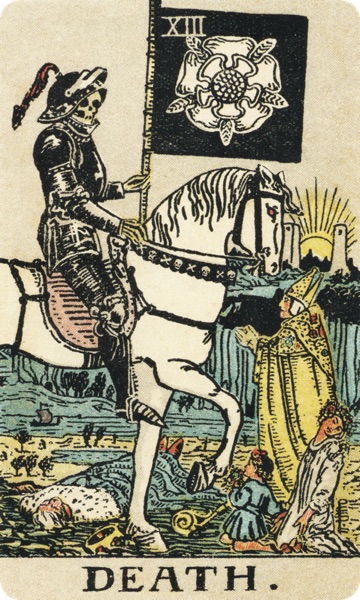
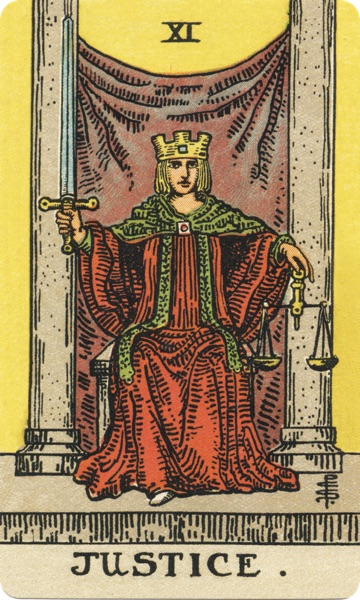
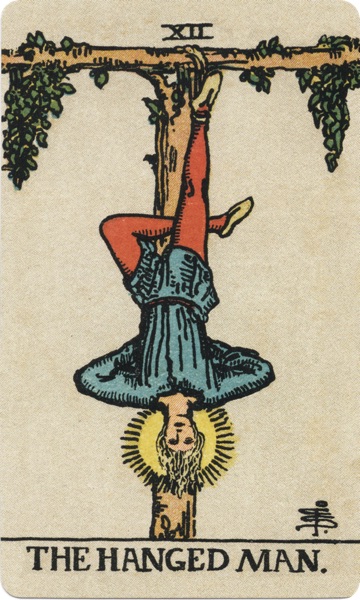
| Related cards | Death, The World, Justice, The Hanged Man |
Overview
Judgement is the Major Arcana card of reckoning, renewal, and the moment when a life pattern asks to be answered. In the project sequence it is XX, after The Sun and before The World. Upright, Judgement means Rebirth, inner calling, release, awakening. Reversed, it means Self-doubt, refusing change.
Waite's 1910 Pictorial Key to the Tarot gives this upright anchor:
"Change of position, renewal, outcome."
That quote is useful, but it is not the whole modern card. Biddy Tarot lists the upright keywords as "Judgement, rebirth, inner calling, absolution". Labyrinthos discusses Judgement through self-evaluation, awakening, renewal, purpose, reflection, reckoning, and reversed self-doubt or failure to learn. Chatarot uses those modern sources as interpretation support while keeping Waite's older list visible.
The card is also shaped by its sequence position. It is one of 22 Major Arcana cards, and its number, XX, places it between The Sun and The World. That placement helps keep the interpretation specific instead of turning it into a generic advice page.
For Chatarot, Judgement has three risks: spelling drift, religious overclaim, and vague awakening language. The project spelling is Judgement, and the slug is judgement. Judgment can be mentioned as a common US spelling, but it should not replace the canonical title or file naming.
The religious image should be described plainly without turning the article into doctrine. The trumpet, rising figures, and judgment scene are visual facts and source-supported themes. The reading itself is symbolic: review, calling, release, renewal, and response. That keeps the card usable for secular readers while respecting the image's source vocabulary.
Awakening is allowed here because it is the internal short meaning and a natural modern reading, but it should not become vague self-help language. The question is concrete: what has been heard, what must be answered, and what old position can no longer hold?
What does Judgement mean upright?
Upright, Judgement means Rebirth, inner calling, release, awakening. It appears when a person or situation is being called to answer what has happened and choose what comes next.
Waite gives change of position, renewal, and outcome. Biddy lists Judgement, rebirth, inner calling, and absolution. The shared center is not casual improvement; it is a threshold of review and response.
In a reading, Judgement can describe a decision after reflection, a release of old identity, or a call that can no longer be ignored. It is public in feeling but deeply internal in consequence.
What does Judgement mean reversed?
Reversed, Judgement means Self-doubt, refusing change. The call may be present, but the person is hesitating, minimizing, or afraid to step into the next form of life.
Waite's reversed list includes weakness, pusillanimity, simplicity, deliberation, decision, and sentence. Modern readings usually focus on self-doubt, inner criticism, or ignoring the call.
The practical reading asks what review is being postponed. Sometimes the issue is not lack of information; it is reluctance to accept the outcome of what is already known.
Judgement in love, career, health, and money
Love
In love, Judgement can point to a relationship review, a second chance, forgiveness, or a decision that requires honesty about the past. Reversed, it may show self-doubt, avoidance, or refusing to change a pattern that has already been exposed.
Should I give this relationship a second chance or finally let it go?
 Star-Sleeping Girl · Sora·
 Crossroads of Fate
Career
In career readings, Judgement can show evaluation, calling, promotion review, portfolio reckoning, or a decision to move toward more meaningful work. Reversed, it may show fear of being seen, reluctance to answer a call, or staying in a role after the lesson is complete.
What is keeping me from answering my call toward more meaningful work?
 Mystic Poet · Selene Noir·
 Celtic Cross
Health
In health readings, Judgement can symbolically point to review, release, and answering the need for change. In a tarot reading context, this is a symbolic reminder rather than medical advice. Reversed, it may suggest self-criticism or hesitation that makes supportive change harder.
Which supportive change am I hesitating to make because of self-criticism?
Star-Sleeping Girl · Sora· Mirror of Soul
Money
In money readings, Judgement can point to reviewing past choices, releasing a harmful pattern, or making a decision after the facts are on the table. Reversed, it may show avoidance, self-blame, or refusing to change a financial habit that has already shown its cost.
How are my past money choices shaping the decision I face now?
Mystic Poet · Selene Noir· Flow of Time
Rider-Waite-Smith imagery and symbols
The Rider-Waite-Smith image shows an angel with a trumpet above rising human figures. The visual facts support themes of call, response, judgment, and renewal.
The spelling matters for this project. The canonical slug is judgement, and the article title uses Judgement. Judgment is noted only as a common US spelling and source/title variant.
This article describes religious imagery as imagery. It does not turn the card into a doctrinal claim or prediction of literal judgment.
Historical position in tarot
Historically, Judgement is Major Arcana XX, placed between The Sun and The World. Wikipedia supports the card identity, while Waite supplies the 1910 divinatory wording. The article keeps religious language descriptive and source-aware.
Interpretation disputes
Judgement needs source-aware framing because spelling, religious imagery, and modern psychological readings can be mixed too easily. Waite emphasizes change, renewal, and outcome; modern sources often emphasize rebirth, calling, absolution, and self-review. Chatarot uses Judgement as the canonical project spelling and treats the card as symbolic reckoning rather than literal final judgment.
Judgement also needs a clean difference from Justice. Justice weighs facts and consequences; Judgement answers a call after review. Justice asks what is fair. Judgement asks what is finished, forgiven, released, or ready to be lived differently. Keeping that distinction clear prevents the card from becoming a duplicate of legal accountability or a vague call to improve.
A final practical note: Judgement is often uncomfortable before it is freeing. Review can bring relief, but it can also bring responsibility. The card asks for an answer, not endless self-analysis.
The answer may be simple, but accepting it can still take courage.
That courage is the card's real threshold.
FAQ
Is it Judgement or Judgment?
Chatarot uses Judgement because the project slug and data use judgement. Judgment is a common US spelling.
What does Judgement mean upright?
It means rebirth, inner calling, release, awakening, and a serious moment of review or response.
What does Judgement reversed mean?
It can mean self-doubt, refusing change, avoiding review, or ignoring a call that has become clear.
Sources and further reading
- Arthur Edward Waite, The Pictorial Key to the Tarot (1910), Wikisource proofread page, https://en.wikisource.org/wiki/Page:The_Illustrated_Key_to_the_Tarot.djvu/151
- Wikipedia: Judgement tarot card, https://en.wikipedia.org/wiki/Judgement_(tarot_card)
- Wikimedia Commons: RWS Tarot 20 Judgement, https://commons.wikimedia.org/wiki/File:RWS_Tarot_20_Judgement.jpg
- Biddy Tarot: Judgement Tarot Card Meanings, https://biddytarot.com/tarot-card-meanings/major-arcana/judgement/
- Labyrinthos: Judgement Meaning, https://labyrinthos.co/blogs/tarot-card-meanings-list/judgement-meaning-major-arcana-tarot-card-meanings